Understanding the Reggio Emilia Approach
The Reggio Emilia Approach is an educational philosophy that has garnered significant attention in early childhood education, particularly for its innovative methods and child-centric focus. Developed in the town of Reggio Emilia in Italy after World War II, this approach emphasizes the role of the child as an active participant in their own learning journey. It fosters a rich environment where curiosity and exploration are paramount, creating a foundation for lifelong learning. In the context of Singapore’s preschools, understanding this approach can significantly enhance the educational experience for both children and parents. When exploring options, Reggio Emilia Approach provides comprehensive insights that are crucial for informed decision-making.
What is the Reggio Emilia Approach?
At its core, the Reggio Emilia Approach views children as competent, capable individuals with the potential to construct their own learning. Unlike traditional educational methods that often focus on rote memorization, this approach encourages open-ended exploration and discovery. It values the child’s voice and ideas, integrating their interests into the curriculum. Teachers in Reggio Emilia-inspired environments serve more as facilitators than traditional instructors, guiding children through questions and encouraging them to express their thoughts and creativity. This nurturing atmosphere is designed to cultivate a love for learning that persists well into adulthood.
Core Principles of Reggio Emilia
- Child-Centric Learning: Children are seen as active protagonists in their own learning, where their interests drive the educational experience.
- Collaboration: Learning is a communal affair, fostering collaboration among peers, teachers, and families.
- Integrated Curriculum: The curriculum integrates various forms of expression and communication, encouraging creativity through arts, play, and inquiry.
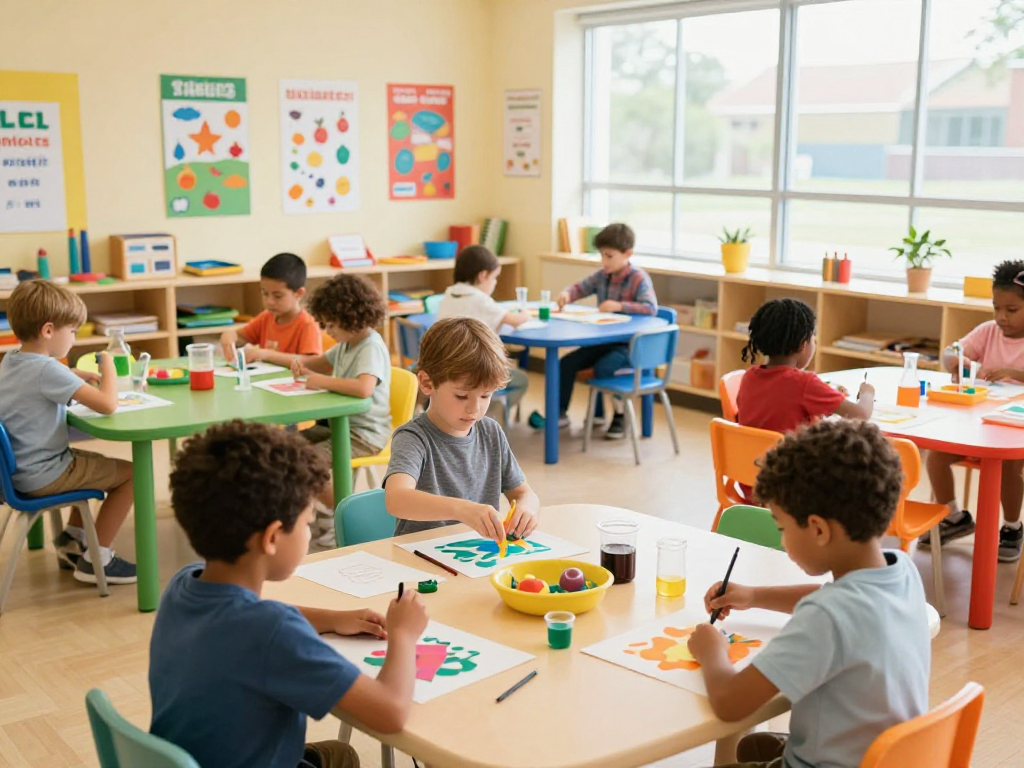
- Environment as Teacher: The learning environment is meticulously designed to inspire curiosity and exploration, where natural light, open spaces, and engaging materials are prioritized.
- Documentation of Learning: Teachers document children’s learning processes through photographs, observations, and portfolios, providing insights into their development.
Benefits for Early Childhood Development
The benefits of the Reggio Emilia Approach are manifold, particularly in fostering holistic development. Children engaged in this style of learning often demonstrate increased creativity, enhanced problem-solving skills, and improved social abilities. By allowing them to explore their interests, they develop a deep sense of self-motivation and a resilience that helps them face challenges. Moreover, this method encourages strong connections between peers and educators, fostering a supportive community that values each child's contributions. Such an environment not only cultivates academic skills but also nurtures emotional intelligence and interpersonal relationships, essential for future success.
Implementing Reggio Emilia in Singapore Preschools
Implementing the Reggio Emilia Approach in Singaporean preschools involves creating spaces that reflect the principles of this educational philosophy while adapting to the local context. This requires collaboration with parents and the community to create a supportive learning ecosystem. Successful implementation entails training educators in the Reggio methods, ensuring they understand the importance of observation and documentation in tracking children’s progress and interests.
Establishing Inquiry-Based Learning Environments
Inquiry-based learning forms the heart of the Reggio Emilia Approach and involves creating environments where questions and exploration are encouraged. In Singapore, preschools can establish such environments by designing classrooms and outdoor spaces that invite curiosity. This includes providing diverse resources and materials that stimulate investigation and play. Outdoor learning experiences, such as nature walks and garden projects, are excellent ways to connect children with the environment and enhance their inquiry skills.
Parent and Community Involvement
For the Reggio Emilia Approach to thrive, active involvement from parents and the wider community is crucial. Singapore preschools can facilitate this by organizing workshops and events that engage families in the learning process. Parents are encouraged to share their talents and knowledge, contributing to a richer educational experience. Additionally, forming partnerships with local organizations can provide resources and expertise that enhance the curriculum, making learning more contextual and relevant.
Structures for Effective Curriculum Delivery
Effective curriculum delivery in a Reggio Emilia-inspired preschool calls for a flexible, reflective approach. Educators need to remain adaptable, continuously observing children to understand their evolving interests. Professional development programs are essential, ensuring that teachers are equipped with the necessary skills to facilitate inquiry and foster a love of learning. Curriculum planning should allow for spontaneous adjustments based on children’s inquiries and feedback, promoting an agile learning environment.
Challenges and Misconceptions
Despite its many advantages, the Reggio Emilia Approach is not without challenges. Misconceptions about its framework can hinder its adoption in Singaporean preschools. Understanding these challenges and addressing them proactively is critical for effective implementation and success.
Common Misunderstandings about Reggio Emilia
One prevalent misunderstanding is that the Reggio Emilia Approach lacks structure. Contrary to this belief, the approach is structured around clear educational principles, though it remains flexible to accommodate children's interests. Another misconception is that the approach is only suitable for affluent communities with abundant resources; however, it can be adapted universally with creativity and community involvement.
Overcoming Implementation Barriers
Barriers such as limited training opportunities for educators and inadequate resources can impede the effectiveness of implementing this approach. Preschools need to invest in professional development and seek out partnerships with organizations that support this educational philosophy. Additionally, advocating for policy changes that recognize and promote inquiry-based learning can help pave the way for broader acceptance and integration within the education system.
Ensuring Quality in Diverse Settings
Quality assurance in diverse settings is essential for the Reggio Emilia Approach. Creating benchmarks and assessment frameworks that align with its principles can help maintain high standards across different preschools. Furthermore, fostering a culture of continuous feedback among educators, parents, and the community ensures that the educational practices remain relevant and effective.
Measuring Success with the Reggio Emilia Approach
Measuring the success of the Reggio Emilia Approach involves looking beyond traditional assessments. Evaluating children's holistic development requires a multi-faceted approach that considers emotional, social, and cognitive growth.
Indicators of Holistic Development
Indicators of success include children’s ability to collaborate, communicate effectively, and demonstrate critical thinking skills. Observing children's engagement during activities, their enthusiasm for inquiry, and the progression in their creative expression are essential signs of holistic development. In addition, parental feedback regarding their children's attitudes toward learning can provide valuable insights into the effectiveness of the Reggio Emilia methodology.
Assessment Strategies in Inquiry-Based Learning
Assessment in an inquiry-based learning environment should be formative and ongoing. Educators can use various strategies such as portfolios, project presentations, and reflective journals to gauge children's learning. These tools not only provide a comprehensive view of a child’s progress but also encourage self-reflection and ownership of their learning journey.
Parental Feedback and Engagement Metrics
Collecting parental feedback is crucial for validating the effectiveness of the Reggio Emilia Approach. Surveys, focus groups, and regular communication channels can help gauge parental engagement and satisfaction. Metrics such as children's enthusiasm for learning and their ability to discuss their experiences can serve as indicators of success.
The Future of Early Childhood Education and Reggio Emilia
As we move toward 2026, the landscape of early childhood education is continually evolving. The Reggio Emilia Approach will likely adapt to new trends and technological advancements, ensuring that it remains relevant and effective.
Emerging Trends in 2026
One emerging trend is the integration of technology into the Reggio Emilia Approach. As digital tools become more prevalent in education, preschools can harness technology to enhance inquiry-based learning while maintaining the core principles of the approach. Technology can facilitate communication between families and educators, document children’s learning journeys, and provide new avenues for exploration and creativity.
Integrating Technology into Reggio Practices
Integrating technology requires careful consideration to ensure that it complements, rather than distracts from, the inquiry process. For instance, using tablets for digital storytelling or interactive educational apps can enrich the learning experience while encouraging children to articulate their thoughts and ideas. Educators will need training to effectively incorporate these tools while still fostering a hands-on, experiential approach to learning.
Preparing for Global Educational Shifts
The global shift towards inclusive education and focus on social-emotional learning presents both opportunities and challenges for the Reggio Emilia Approach. As preschools embrace diversity, adapting the curriculum to be inclusive of different backgrounds and learning styles will be essential. This shift toward inclusivity reinforces the importance of fostering a sense of community and collaboration among children, families, and educators.
How Can Parents Support Their Child's Learning Journey?
Parents play a crucial role in their child’s education, particularly within the Reggio Emilia paradigm. They can support their child’s learning by engaging in open dialogue about their interests and facilitating opportunities for exploration outside the classroom. Creating a home environment that values curiosity and discovery will reinforce what children learn at school and help them connect their experiences.
What Resources are Available for Reggio Emilia Educators?
A wealth of resources is available for educators interested in the Reggio Emilia Approach. Organizations dedicated to early childhood education often provide training workshops, online courses, and networking opportunities. Books, articles, and online forums also offer substantial guidance and inspiration for implementing Reggio-inspired practices in various educational contexts.
Is the Reggio Emilia Approach Suitable for All Children?
While the Reggio Emilia Approach is broadly applicable and beneficial for many children, it is essential to tailor the approach to meet the unique needs of every child. Educators must remain observant and adaptable, adjusting their strategies to accommodate diverse learning styles and backgrounds. By doing so, they can ensure that all children thrive in a Reggio-inspired learning environment.
How Do Schools Evaluate the Success of the Reggio Emilia Approach?
Schools can evaluate the success of the Reggio Emilia Approach by examining various indicators of children’s growth, engagement, and satisfaction among parents. Regular assessments paired with an open feedback culture can help schools refine their practices and remain aligned with the core values of the Reggio philosophy. Ultimately, the goal is to ensure that every child feels empowered, capable, and prepared for lifelong learning.