The Importance of Bacteriostatic Water in Research
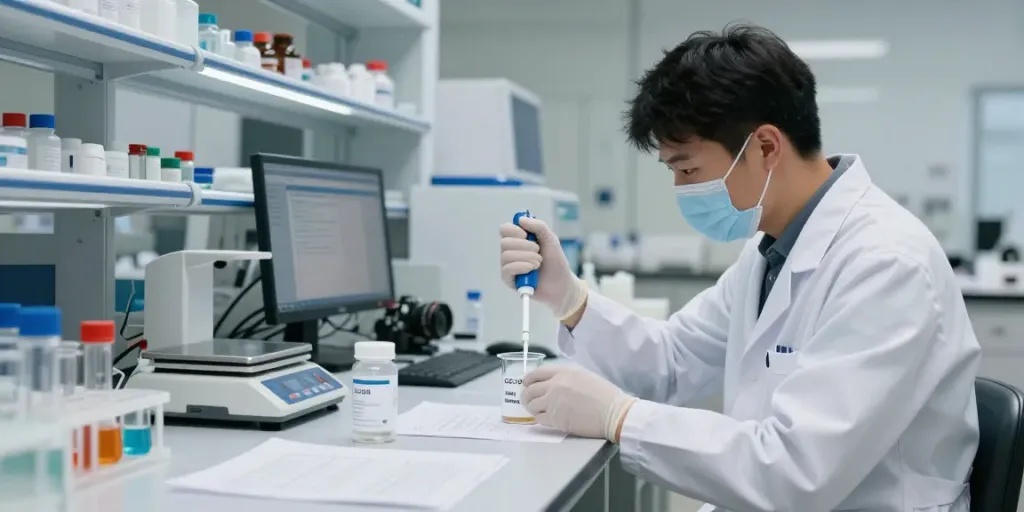
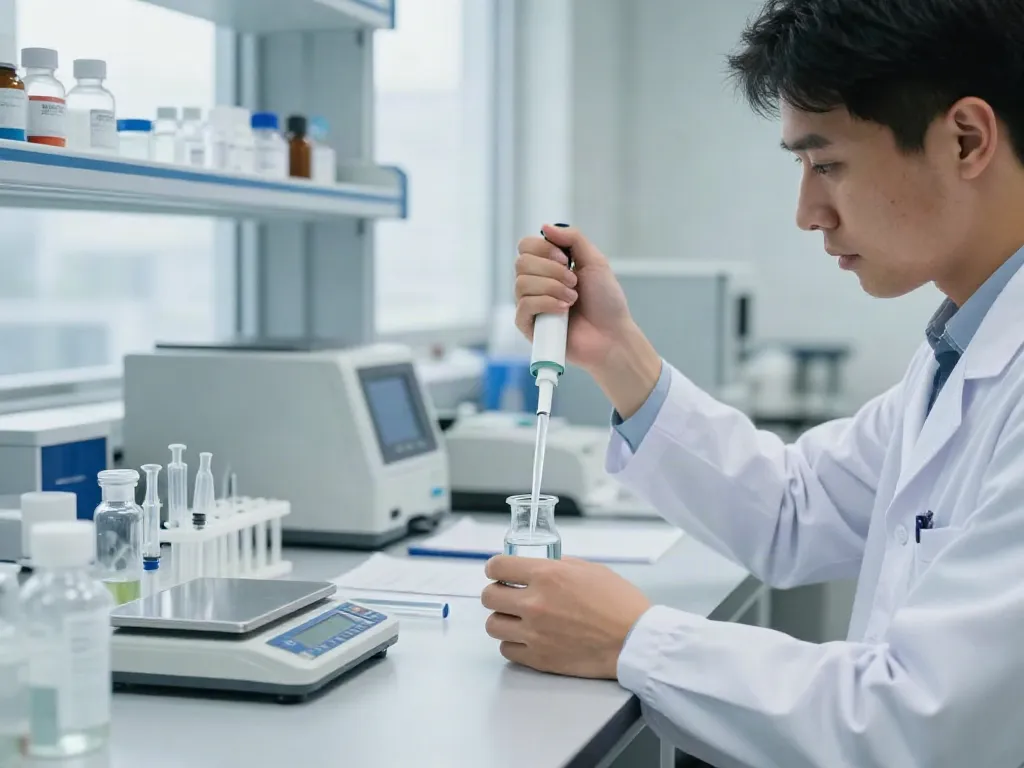
Bacteriostatic water plays a critical role in laboratory and research settings, serving as a vital tool for numerous applications. Designed specifically for use in scientific experiments, bacteriostatic water is a sterile solution that contains a small percentage of benzyl alcohol, which acts as a bacteriostatic agent, helping to prevent the growth of bacteria. Researchers in various fields rely on this essential compound to ensure the integrity and reliability of their experiments. When exploring options, bacteriostatic water for sale provides comprehensive insights into quality and availability.
What is Bacteriostatic Water and Its Uses?
Bacteriostatic water is specially formulated to be used as a solvent for certain medications and research compounds. The primary function of this type of water is to dilute substances or to serve as a diluent for reconstituting powdered medications. With the inclusion of benzyl alcohol, bacteriostatic water is particularly useful for multiple-dose vials, as it inhibits the growth of microorganisms that could potentially compromise the integrity of the solution.
This solution finds widespread use in various laboratory applications, including:
- Reconstitution of peptides and proteins for in vitro studies
- Preparing samples for analytical testing and assays
- Diluting drugs for experimental purposes
- Maintaining sterility and purity in laboratory environments
Benefits of Using Bacteriostatic Water for Research
The use of bacteriostatic water offers several advantages for researchers:
- Inhibited bacterial growth: By preventing the proliferation of bacteria, bacteriostatic water helps maintain the integrity of sensitive solutions.
- Convenience: It allows for repeated access to the same vial or solution, which is particularly beneficial when working with valuable research compounds.
- Enhanced stability: The presence of benzyl alcohol can improve the stability of certain compounds, ensuring consistent results across experiments.
- Cost-effectiveness: Using bacteriostatic water can reduce waste and prolong the usability of various substances, making it a cost-efficient option for laboratories.
Common Applications in Laboratory Settings
In laboratory settings, the applications of bacteriostatic water are extensive. Researchers commonly utilize it for:
- Peptide reconstitution: Bacteriostatic water is a preferred solvent for dissolving peptides before use in experiments, ensuring that the peptides remain active and stable.
- Drug dilutions: It can be used to dilute injectable medications for studies involving pharmacokinetics and pharmacodynamics.
- Sample preparation: In analytical chemistry, bacteriostatic water serves as a diluent for preparing samples for sensitive assays, ensuring sterility and consistency.
Quality Assurance: Testing and Verification
Ensuring the quality and reliability of research compounds is paramount, especially when utilizing bacteriostatic water as a solvent. The integrity and effectiveness of the solutions depend significantly on rigorous testing and verification protocols.
Independent Laboratory Testing Methods
All reputable suppliers of bacteriostatic water engage in independent laboratory testing to verify the quality of their products. This testing typically includes:
- HPLC Analysis: High-Performance Liquid Chromatography (HPLC) is a critical method for confirming the identity and concentration of the compound.
- Endotoxin Testing: This assessment ensures that the product is free from harmful endotoxins that could impact biological research.
- Sterility Testing: Sterility is essential for any bacteriostatic solution; rigorous sterility testing must be conducted to validate the absence of microbial contamination.
Understanding Certificates of Analysis (COAs)
Certificates of Analysis (COAs) provide essential documentation, offering detailed insights into the testing results for each batch of bacteriostatic water. This transparency helps researchers ensure that they are using high-quality products that meet stringent laboratory standards. It's crucial for researchers to always review the COAs associated with their bacteriostatic water purchases.
Batch Control and Documentation Practices
Robust batch control and documentation practices are fundamental in maintaining the integrity of research materials. Suppliers should provide:
- Detailed information on batch numbers
- Testing results for every batch
- Traceability documentation to verify the source and handling of the product
Purchasing Considerations for Bacteriostatic Water
When purchasing bacteriostatic water, researchers should consider various factors to ensure they acquire quality products that will meet their needs effectively.
Where to Buy Bacteriostatic Water for Sale
Various suppliers offer bacteriostatic water for sale, ranging from online marketplaces to specialized laboratory chemical suppliers. It is essential to select a supplier known for high-quality products that provide comprehensive COAs and testing verification for the batches sold.
Evaluating Suppliers: What to Look For
When selecting a supplier for bacteriostatic water, consider the following:
- Reputation: Research the supplier's reputation in the industry, including reviews from other researchers.
- Testing Standards: Ensure that the supplier adheres to stringent testing standards and provides COAs.
- Shipping Policies: Look for suppliers that offer fast shipping options to minimize delays in your research.
- Customer Service: Reliable customer service can be crucial if issues arise with your order.
Price Comparisons and Value Assessment
Assessing the value of bacteriostatic water involves comparing prices across different suppliers, keeping an eye out for bulk purchasing options that may provide cost savings. However, it's essential to prioritize quality over price, as compromised quality can lead to significant issues in research integrity.
Future Trends and Innovations in Research Compounds
The landscape of research compounds, including bacteriostatic water, is continuously evolving. Understanding emerging trends can help researchers stay ahead in their field.
Innovative Developments in Bacteriostatic Water Products
Research indicates that innovations in bacteriostatic water formulations may arise, focusing on enhancing sterility, stability, and ease of use. Suppliers may begin to offer specialized formulations tailored for specific applications in peptide research or drug development.
Predicted Changes in Research Regulations
As research fields evolve, regulations governing the use of compounds like bacteriostatic water may also shift. Staying updated on regulatory changes is essential for compliance and to ensure that research is conducted ethically and safely.
The Role of Technology in Quality Control
Technological advancements are enhancing quality control measures in the production and testing of bacteriostatic water. Automation and real-time data analytics are beginning to play significant roles in ensuring consistency and compliance with quality standards.
Frequently Asked Questions about Bacteriostatic Water
What is the shelf life of bacteriostatic water?
The shelf life of bacteriostatic water is typically indicated on the packaging, but it is generally around 3 years when stored properly. Always consult the COA for specific expiration dates.
Is bacteriostatic water safe for all types of research?
Bacteriostatic water is designed for laboratory use and is suitable for various applications; however, it should not be used for human or animal consumption. Researchers must adhere to safety protocols when handling this material.
How do I confirm the quality of my bacteriostatic water purchase?
To confirm the quality of your purchase, always request COAs from your supplier, check for independent testing results, and verify that the batch numbers align with your received product.
Can bacteriostatic water be used for purposes other than research?
While bacteriostatic water is primarily intended for laboratory use, it may sometimes be utilized in veterinary settings for similar purposes. However, it is essential to follow all regulatory guidance in these instances.
What are the regulatory concerns around bacteriostatic water?
Regulatory concerns surrounding bacteriostatic water often involve its handling and intended use. It must be restricted to laboratory and research purposes, as using it for human or animal consumption is prohibited.