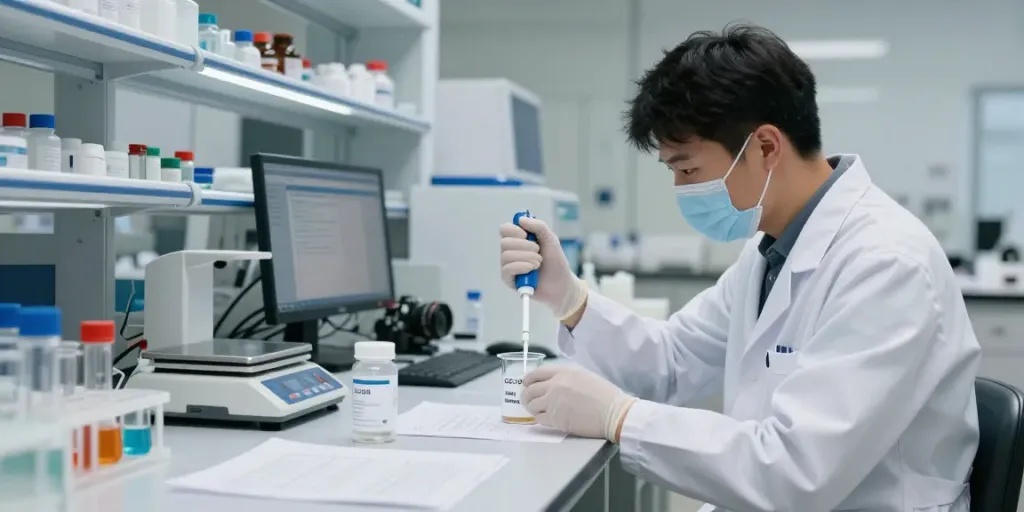
The Importance of 3ml Bac Water in Laboratory Research
Bacteriostatic water is a crucial element in laboratory research, particularly in the domains of biochemistry and pharmacology. It serves as a sterile diluent that allows for the safe reconstitution of various compounds, particularly peptides, for experimental use. As laboratories prepare for the evolving landscape of 2026, understanding the significance of 3ml bac water is more important than ever. This article delves into its applications, benefits, and the future trends surrounding its use.
Understanding the Role of Bacteriostatic Water
Bacteriostatic water is distinct from other forms of sterile water; it contains 0.9% benzyl alcohol, which inhibits bacterial growth without harming existing bacteria. This property makes it ideal for use in laboratory settings where contamination must be avoided at all costs. In particular, bacteriostatic water allows researchers to draw from the vial multiple times without the risk of microbial invasion.
Applications in Peptide Reconstitution and Medicine
In laboratory research, bacteriostatic water plays an essential role in the reconstitution of peptides that have been lyophilized (freeze-dried). Since peptides are sensitive to degradation, proper reconstitution is crucial to preserve their efficacy, which is paramount for studies in drug development and therapeutic applications. Additionally, in medicine, bacteriostatic water is employed to dilute medications or to serve as a vehicle for injections, ensuring patient safety and effective dosing.
Key Benefits of Using 3ml Bac Water
- Convenience: The 3ml packaging provides a user-friendly volume for a variety of applications, reducing waste and increasing the ease of handling.
- Versatility: Useful in both laboratory and medical scenarios, 3ml bac water stands as a multipurpose solution.
- Cost-Effectiveness: Smaller vials can lead to budget-friendly research strategies, allowing for more controlled spending on research supplies.
Choosing the Right Bac Water: Quality and Sourcing
When selecting bacteriostatic water, the purity and composition of the product are paramount. Quality assurance should be a primary focus as contaminants can compromise both experimental results and patient safety. Thus, sourcing from reputable suppliers is critical.
Evaluating Purity and Composition
Researchers must scrutinize the certificate of analysis provided by manufacturers, ensuring that the bacteriostatic water adheres to the highest purity standards. It's beneficial to seek products that undergo rigorous testing, so one can be confident in their effectiveness.
Where to Buy Reliable 3ml Bac Water
Due to the specific nature of this product, scientists should procure 3ml bac water from established research supply companies, pharmacies, or online retailers specializing in laboratory supplies. This guarantees authenticity and compliance with safety standards, which is vital for research integrity.
Understanding Regulatory Compliance and Standards
All laboratory supplies, including bacteriostatic water, must comply with FDA regulations and USP standards. Familiarity with these guidelines ensures that researchers utilize products that meet necessary safety and quality benchmarks.
Best Practices for Using 3ml Bac Water
To maximize the effectiveness of 3ml bac water, researchers should follow best practices during reconstitution and storage. Proper techniques will help mitigate risks associated with contamination and degradation.
How to Properly Reconstitute Peptides with Bac Water
The process of reconstituting peptides with bac water should begin with meticulous preparation. Using a sterile syringe, gently inject the bacteriostatic water into the vial containing the lyophilized peptide. Swirl the vial gently to mix, avoiding vigorous shaking which can degrade the peptide.
Storage and Shelf Life Considerations
Once opened, bacteriostatic water should be stored in a cool, dark place and typically has a shelf life of 28 days. Proper labeling of vials with dates can help ensure that researchers use the solution within its optimal time frame.
Avoiding Common Mistakes in Usage
- Maintain Sterility: Always use sterile techniques when handling bac water to prevent contamination.
- Dosage Accuracy: Measure doses precisely to ensure reproducibility in experiments.
- Disposal: Follow local regulations for disposing of unused or expired bacteriostatic water to minimize environmental impact.
Cost-Effectiveness of 3ml Bac Water in Research
Understanding the cost implications of laboratory supplies is increasingly important, especially as research funding can be limited. By utilizing 3ml bac water appropriately, researchers can stretch their budgets while ensuring they receive quality results.
Budgeting for Research Supplies
When creating a budget for research supplies, it's wise to account for the frequency of use of specific items like bac water. Bulk purchases can often lead to discounts, further optimizing research budgets.
Understanding Bulk Purchase Opportunities
Many suppliers offer bulk purchasing options for 3ml bac water, which can lead to significant savings over time. Researchers should assess their needs and inquire about the potential for group purchasing with other departments or organizations.
Long-Term Benefits of Quality Investments
Investing in high-quality bacteriostatic water is a decision that pays off in the long run. Not only does it enhance the integrity of research outcomes, but it can also prevent costly errors and rework caused by inferior products.
Future Trends in Bac Water and Laboratory Practices
As we approach 2026, several trends are anticipated to shape the landscape of laboratory practices, including the use of bacteriostatic water. Keeping abreast of these changes will help researchers adapt and thrive.
Emerging Technologies and Innovations
Innovations in pharmaceuticals and biotechnology are expected to prioritize more sustainable practices, leading to advancements in bacteriostatic formulations that could enhance their efficacy and safety. Keeping an eye on research publications will be beneficial in tracking these developments.
Projected Changes in Research Requirements
With the growing need for personalized medicine, the demand for high-quality bacteriostatic water will likely increase. Laboratories may need to adapt their sourcing strategies accordingly, ensuring they can meet these new requirements.
Preparing for 2026: What Researchers Need to Know
As regulations and standards evolve, researchers must stay informed about best practices and compliance requirements associated with laboratory supplies like 3ml bac water. Attending workshops, webinars, and industry conferences can provide valuable insights.
How Much BAC water for a 3ml vial?
Typically, for reconstituting peptides in a 3ml vial, the amount of bac water used can vary depending on the concentration desired. Researchers should consult specific guidelines associated with their compounds for more precise measurements.
Where can I get 3ml BAC water?
3ml BAC water can be obtained from specialized online research suppliers, pharmacies, or laboratory supply companies that focus on high-quality products.
What is bacteriostatic water 3ml?
Bacteriostatic water 3ml is a sterile solution containing 0.9% benzyl alcohol, designed for reconstituting peptides and diluting medications for laboratory and medical use.
How many units is 1 mL of BAC water?
1 mL of BAC water is equivalent to approximately 1 unit when measuring dosages for many applications in laboratory settings. However, always refer to specific protocols for accurate dosing.