Understanding Water Reclaim Systems
Water reclaim systems have become a pivotal solution in addressing the growing challenges of water scarcity and environmental sustainability. As industries and municipalities look for ways to recycle and reuse water, these systems offer innovative approaches to transform wastewater into valuable resources. A Water Reclaim System not only contributes to conservation efforts but also helps organizations comply with increasingly stringent regulations regarding wastewater management.
What is a Water Reclaim System?
A water reclaim system refers to the technologies and methodologies used to collect, treat, and recycle wastewater for reuse. These systems vary significantly in complexity, ranging from simple filtration setups to advanced, multifaceted treatment processes. By utilizing processes such as membrane bioreactors (MBR), ultrafiltration (UF), and reverse osmosis (RO), they ensure the produced water meets all safety standards for its intended applications.
Key Components of Effective Systems
To enhance efficiency and reliability, various key components make up a comprehensive water reclaim system:
- Pre-treatment Systems: Essential for removing larger particulates and contaminants before further treatment.
- Membrane Technologies: Critical for separating water from contaminants. MBR systems combine biological treatment and membrane filtration for high-quality effluent.
- Disinfection Units: These systems eliminate pathogens to ensure the safety of reused water, often employing UV light or chemical disinfectants.
- Storage Solutions: Treated water must be safely stored until it is ready for reuse, necessitating robust tank designs that prevent contamination.
Benefits of Water Reclamation in Various Industries
Water reclamation systems provide significant advantages across multiple sectors:
- Cost Reduction: By recycling water, industries can substantially lower their water bills and minimize the costs associated with wastewater disposal.
- Regulatory Compliance: These systems assist organizations in adhering to environmental regulations, thereby avoiding hefty fines and improving public relations.
- Sustainability and Environmental Protection: Effective water reuse contributes to conservation efforts, reducing freshwater withdrawals and minimizing the environmental impact on local ecosystems.
- Resource Recovery: Besides water, additional resources like nutrients can be harvested from treated wastewater, adding extra value to the system.
Technical Insights and Innovations
Advanced Technologies: MBR, UF, and RO
The effectiveness of water reclaim systems lies in their advanced treatment technologies:
- Membrane Bioreactors (MBR): Combining biological processes with membrane filtration, MBR systems are known for producing high-quality effluent while minimizing footprint.
- Ultrafiltration (UF): This process uses membranes with pore sizes that effectively filter out bacteria, viruses, and suspended solids, resulting in clean water ready for further treatment.
- Reverse Osmosis (RO): RO technology removes dissolved salts and organic compounds through semipermeable membranes, ensuring the water is exceptionally pure.
Comparative Analysis of Treatment Methods
Different treatment methods have unique strengths and weaknesses, making the choice of technology crucial for system effectiveness. For example, while traditional methods may be less expensive upfront, they often require extensive space and may not meet stricter water quality standards. In contrast, advanced methods like MBR and RO, while more costly, provide superior water quality, making them ideal for applications where purity is essential.
Future Trends in Water Reclamation Technologies
The future of water reclaim systems is promising, with innovations centered around greater efficiency and sustainability:
- Smart Technologies: The integration of IoT technology enables real-time monitoring and optimization of water treatment processes, enhancing reliability and minimizing downtime.
- Decentralized Solutions: As municipalities and industries seek flexible and adaptable setups, decentralized water reclaim systems will gain traction, facilitating water reuse in various locations.
- Energy Recovery: Future systems will increasingly focus on energy-efficient designs, incorporating technologies that recover energy during water treatment, thereby reducing operational costs.
Applications of Containerized Water Reclaim Systems
Industrial Applications and Case Studies
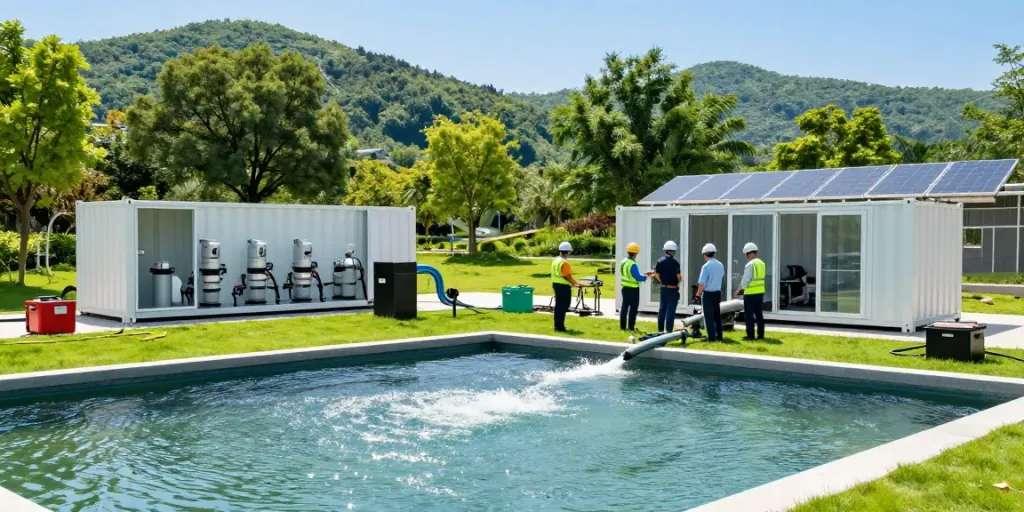
Containerized water reclaim systems are particularly well-suited for industrial environments, where water usage is intensive. For example, manufacturing facilities often generate significant amounts of wastewater that, when treated, can be reused in processes like cooling or rinsing. Case studies have shown organizations successfully implementing these systems to achieve substantial cost savings and improved sustainability metrics.
Municipal and Community Water Solutions
In municipal applications, containerized systems can be deployed in community water treatment facilities, delivering high-quality effluent for irrigation, landscaping, and even potable uses. Cities facing water shortages can leverage these systems to enhance water supply resilience while fostering community-led sustainability initiatives.
Remote and Off-Grid Applications
Remote and off-grid sites, such as construction projects or rural communities, can benefit tremendously from mobile containerized reclaimed water systems. These systems can be rapidly deployed, providing a reliable water source for hygiene, irrigation, and site operations, significantly reducing reliance on traditional water supply chains.
Selecting the Right Water Reclaim System
Factors to Consider for Your Project
Choosing the appropriate water reclaim system requires careful consideration of various factors, including:
- Water Quality Requirements: Understanding the end-use of reclaimed water informs necessary treatment levels.
- Flow Rates: Estimating daily and peak water requirements helps in selecting a system that can handle the target flow rates effectively.
- Space Limitations: Assess the available installation footprint as containerized systems offer compact solutions ideal for constrained spaces.
Cost Considerations and Budgeting
Budgeting for a water reclaim system involves analyzing both initial installation costs and long-term operational expenses. While advanced systems may require higher upfront investment, they often yield significant savings in water costs and disposal fees.
Partnering with Sustainable Solution Providers
Engaging with experienced suppliers ensures access to the latest technologies and best practices in system design, installation, and maintenance. A reliable partner will guide project implementation, aligning it with sustainability goals and enhancing overall project success.
Implementation and Best Practices
Step-by-Step Guide to System Installation
The installation of a water reclaim system should follow a structured approach:
- Site Assessment: Evaluate the location for optimal system placement, ensuring access to necessary utilities.
- Design Planning: Collaborate with engineers to tailor the system design to meet specific project requirements.
- Procurement and Logistics: Secure all necessary components and arrange for their delivery and installation.
- Commissioning: Conduct thorough system testing post-installation to ensure all functions operate as intended.
Maintenance Tips for Longevity and Efficiency
To maintain optimal performance, regular maintenance is essential:
- Scheduled Inspections: Regularly check equipment and operational parameters to detect potential issues early.
- Cleaning Protocols: Implement routine cleaning of membranes and pre-treatment filters to ensure their effectiveness.
- Performance Monitoring: Utilize monitoring technology to track system performance and water quality metrics continuously.
Measuring Success: Key Performance Indicators
Evaluating the success of a water reclaim system involves monitoring various KPIs, including:
- Water Quality: Regular testing of reclaimed water to ensure it meets specified standards.
- Operational Efficiency: Metrics like energy consumption per gallon of treated water provide insight into system performance.
- Cost Savings: Comparative analysis of water savings versus operational costs to assess overall economic impact.
What is a Water Reclaim System?
A water reclaim system encompasses various technologies and strategies aimed at treating and reusing wastewater for multiple applications, emphasizing the need for sustainable water management practices.
Is reclaimed water cheaper than regular water?
While initial installation costs for water reclaim systems may be high, reclaimed water typically proves to be more cost-effective in the long run, reducing dependency on municipal supplies and lowering environmental impact.
How much does a water recycling system cost?
The cost of water recycling systems can vary widely based on technology, capacity, and application requirements. Businesses should conduct a cost-benefit analysis to determine the best solution for their needs.
How to build a water reclamation system?
Building a water reclamation system involves selecting appropriate technologies, planning for system design and layout, and ensuring compliance with local regulations. Engaging with experienced providers is essential for successful implementation.