
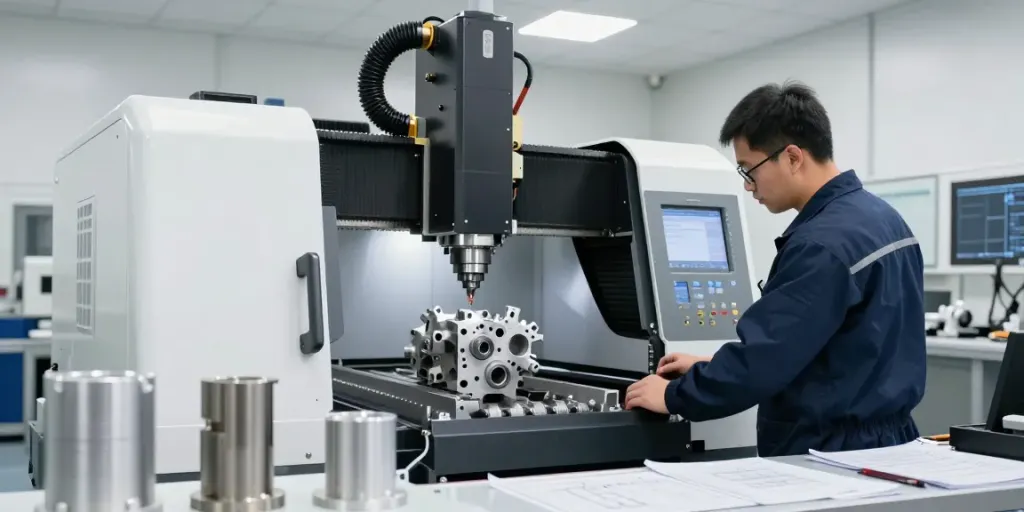
Understanding Aerospace CNC Machining Services
Aerospace CNC machining is a crucial element of the aviation and space industries, where precision and quality are paramount. Since 2003, Honscn has been at the forefront of providing professional CNC machining services tailored to meet the complex needs of aerospace applications. Our expertise covers everything from rapid prototyping to mass production, ensuring that custom aerospace prototypes and production parts meet the highest standards. For those exploring options with leading aerospace cnc parts manufacturers, the importance of selecting a reliable partner cannot be overstated.
What is CNC Machining in Aerospace?
CNC (Computer Numerical Control) machining involves the automated control of machining tools via a computer. This technology is especially vital in aerospace manufacturing, where components must often endure extreme conditions and maintain tight tolerances. CNC machining allows for high-precision manufacturing of complex geometries that are commonly required in aircraft and spacecraft design.
The Importance of Precision in Aerospace Manufacturing
In the aerospace sector, precision is not just a goal; it's a necessity. Components such as engine parts, structural elements, and avionics must comply with strict safety and performance standards. A single error can have catastrophic consequences, making thorough testing and adherence to specifications critical. With methodologies like CNC machining, manufacturers can produce parts that meet rigorous specifications while minimizing the risk of errors.
Range of Materials Used in Aerospace CNC Parts
Aerospace components are typically fabricated from a variety of materials, each selected for its specific properties. Commonly used metals include aluminum alloys, titanium, stainless steel, and superalloys, each known for their strength-to-weight ratio, corrosion resistance, and fatigue properties. Moreover, over 35 different metal materials and various plastics, such as PP, PU, and PEEK, are used in aerospace manufacturing, allowing for tailored solutions based on the specific requirements of each application.
Key Benefits of Partnering with Leading Manufacturers
Cost-Effectiveness of Professional CNC Machining
Partnering with experienced aerospace CNC manufacturers can significantly reduce production costs. Advanced CNC machining techniques allow for rapid development cycles and streamlined operations, ensuring that customers receive high-quality components without overspending. Economies of scale can further lower costs for bulk orders, making it advantageous for companies looking to optimize their budgets.
Access to Advanced Technology and Expertise
Leading aerospace CNC parts manufacturers are at the cutting edge of technology, often investing in the latest machinery and software to improve their services. These advancements not only enhance manufacturing capabilities but also ensure that parts are produced with precision and consistency. Collaborating with experts in the field means access to knowledge and experience that can further refine production processes and boost overall quality.
Faster Turnaround Times for Prototypes and Production
Time is often a critical factor in aerospace projects. The ability to quickly prototype parts can accelerate the entire development process, enabling faster testing and validation of designs. CNC machining's efficiency allows manufacturers to reduce lead times significantly, helping aerospace companies bring products to market more rapidly without sacrificing quality.
Common Challenges in Aerospace CNC Machining
Material Selection and Procurement Issues
Choosing the right materials for aerospace components can be challenging due to the wide variety of options available and the specific performance requirements of each application. Factors such as weight, strength, and environmental resistance need to be evaluated carefully. Additionally, securing a reliable supply chain for these materials is crucial, as delays can derail production schedules.
Maintaining Tolerances and Quality Standards
Aerospace components are subject to stringent quality standards, and maintaining tolerances throughout the manufacturing process is essential. CNC machining offers a level of accuracy that manual methods cannot achieve, yet it still requires skilled oversight to ensure consistency. Regular inspections and quality control measures are necessary to affirm that each part meets the exact specifications.
Adapting to Industry Regulations and Compliance
The aerospace industry is heavily regulated, with numerous standards such as AS9100 and ISO9001:2015 dictating how companies operate. Compliance with these regulations is non-negotiable, requiring manufacturers to stay updated on changes in standards and practices. This can be a daunting task, particularly for smaller companies without dedicated regulatory teams.
Evaluating Cost Implications of CNC Machining
Factors Influencing Pricing in Aerospace CNC Parts
The cost of CNC machined aerospace parts is influenced by various factors including material choice, complexity of the design, production volume, and finishing requirements. Understanding how these elements impact pricing can help companies budget effectively and choose the right manufacturing partner.
Cost vs. Value: Making Informed Decisions
While it may be tempting to choose the lowest-cost option when sourcing CNC parts, it's crucial to assess the value provided. Elements such as quality assurance, customer service, and technological capabilities can lead to greater long-term savings and enhanced product performance. Hiring a reputable aerospace CNC manufacturer can prove to be a more cost-effective strategy in the long run.
Case Studies: Cost Comparisons with Different Manufacturers
Examining case studies that showcase cost comparisons among various aerospace CNC machining companies can provide deeper insights into how different factors influence pricing and quality. By analyzing these examples, potential clients can make more informed decisions when selecting their manufacturing partner.
Future Trends in Aerospace CNC Machining
Emerging Technologies and Innovations
The aerospace industry is on the verge of significant technological advancements, including the integration of artificial intelligence and machine learning in manufacturing processes. These technologies will likely enhance the efficiency and precision of CNC machining, paving the way for innovations that further elevate the quality of aerospace components.
Sustainability Practices in Aerospace Manufacturing
With increasing awareness of environmental impacts, aerospace manufacturers are focusing on sustainable practices. This includes the use of recyclable materials and energy-efficient machining processes. Companies that adopt these practices not only comply with regulations but also appeal to environmentally-conscious consumers and investors.
Predictions for Industry Growth Through 2026
As demand for air travel and space exploration continues to rise, the aerospace sector is projected to grow significantly through 2026. This increase will likely spur further investments in CNC machining technologies, enhancing capabilities and expanding the range of services offered by leading aerospace CNC parts manufacturers.
What are the top aerospace CNC manufacturers?
The top aerospace CNC manufacturers are often characterized by their commitment to quality, innovation, and adherence to industry standards. Leading companies in this space include Honscn, along with others who are making significant strides in precision engineering and customer-centric solutions.
How do aerospace machining costs vary by project?
Costs for aerospace machining can vary widely based on the complexity of the part, the materials used, the volume of production, and the specific requirements of the project. Engaging in thorough project planning and resource allocation can help manage these costs effectively.
What materials are most commonly used for aerospace parts?
Aerospace parts are commonly made from high-performance materials such as aluminum alloys, titanium, and advanced composites. The choice of material often depends on specific application requirements including weight, strength, and resistance to environmental factors.
How does CNC machining improve production efficiency?
CNC machining enhances production efficiency by automating processes that traditionally required manual labor. This automation leads to improved accuracy, reduced lead times, and lower production costs, allowing manufacturers to meet increasing demand without sacrificing quality.
What future developments should we expect in aerospace manufacturing?
Future developments in aerospace manufacturing are expected to center around digital transformation, including advancements in automation, artificial intelligence, and data analytics. These innovations will streamline operations, reduce waste, and enhance overall quality in the production of aerospace components.