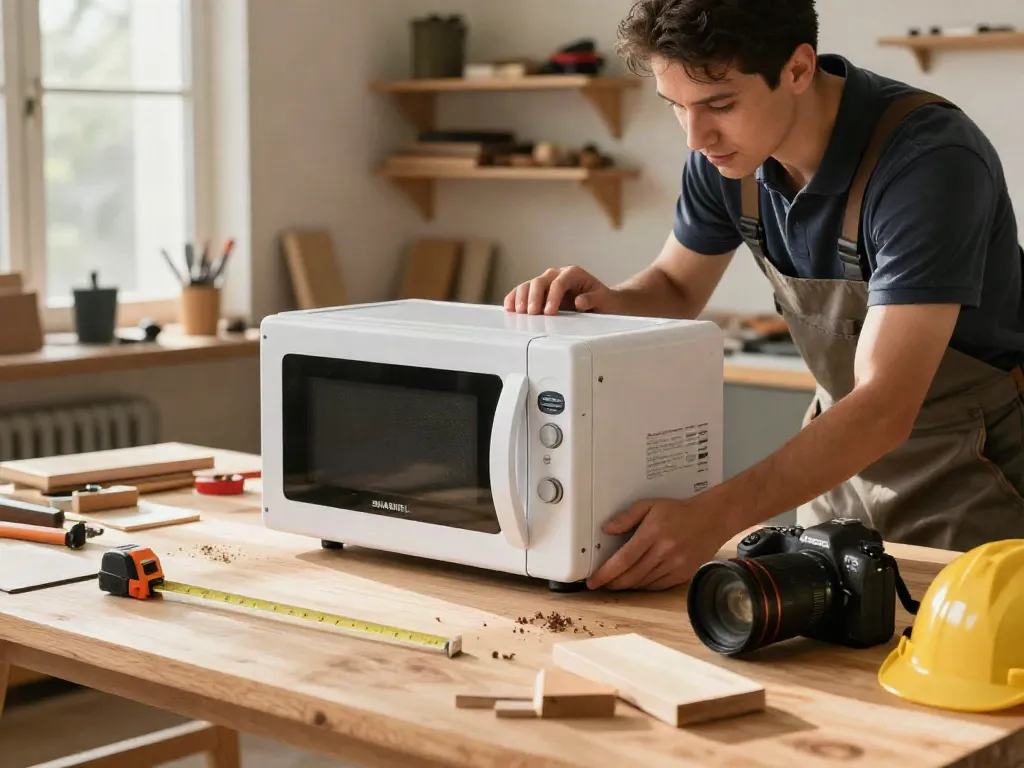
Understanding SHASHEL® Technology and Its Benefits
In the realm of pest control, particularly when it comes to wood-boring insects, innovative solutions are increasingly in demand. SHASHEL® technology has emerged as a leading method for effectively eliminating pests from wooden structures. This revolutionary approach combines convenience, safety, and efficiency, providing significant advantages over traditional methods. By employing microwave technology, SHASHEL® addresses woodworm infestations rapidly, making it a game-changer for homeowners and industry professionals alike. When exploring options, SHASHEL® provides comprehensive insights into the benefits this technology brings.
What Is SHASHEL® Technology?
SHASHEL® technology utilizes microwaves to eliminate wood-boring insects such as woodworms, larvae, and their eggs. This method operates by emitting targeted microwave radiation that heats the wood to specific temperatures, effectively neutralizing pests without the use of harmful chemicals. The technology is designed for both domestic and industrial applications, ensuring versatility and broad usability.
What sets SHASHEL® apart is its ability to penetrate deep into wood, reaching hidden infestations that traditional treatments often miss. This deep penetration allows for a more thorough and effective treatment, making it an essential tool in pest management.
Benefits of Using Microwave Treatment
- Chemical-Free Solution: One of the standout features of SHASHEL® is its eco-friendliness. It eliminates pests without the need for toxic chemicals, ensuring a safe environment for residents and pets.
- Quick Results: The microwave treatment can eliminate infestations within minutes, drastically reducing downtime compared to conventional methods.
- Versatility: SHASHEL® can be used on various types of wood, irrespective of size and thickness. Its adaptability makes it suitable for residential, commercial, and industrial sectors.
- Cost-Effective: Although the initial investment in SHASHEL® equipment may be higher, the long-term savings on pest control costs and damage repairs will outweigh the upfront costs.
Comparison with Traditional Methods
Traditional pest control methods, such as chemical spraying and fumigation, can often be cumbersome and prolonged. These methods usually require extensive setup, can leave harmful residues, and may necessitate vacating the premises for extended periods. In contrast, SHASHEL® technology delivers swift, direct, and safe treatment with minimal disruption. Moreover, traditional methods may not effectively reach deeper infestations hidden within the wood, whereas the microwave treatment can address these hard-to-reach areas with ease.
Identifying Wood-Boring Pests
Understanding the types of pests that commonly infest wood is critical for effective treatment. Knowledge of various wood-boring insects and their behaviors can help in early detection and intervention, ultimately saving substantial costs associated with damage repair.
Common Types of Wood-Boring Insects
Wood-boring insects include several species that pose a threat to wooden structures:
- Woodworms: Known for their destructive larvae, woodworms can severely damage timber by burrowing through the wood.
- House Longhorn Beetles: These beetles create large exit holes in wood, signaling a significant infestation.
- Powderpost Beetles: Their larvae consume wood and produce a fine powder as they tunnel, indicating their presence.
Signs of Infestation to Look For
Detecting a wood-boring pest infestation early can prevent costly damage. Look for these signs:
- Small exit holes in wood surfaces
- Wood dust or frass around furniture or structural elements
- Weak or crumbling wood
Understanding the Life Cycle of Woodworms
Knowing the life cycle of wood-boring insects helps in diagnosing infestations and applying timely treatments. A typical life cycle includes:
- Eggs laid in cracks or crevices of wood.
- Larvae hatch and begin to consume the wood, creating tunnels.
- Larvae pupate and emerge as adult insects, continuing the cycle.
Preparing for Wood Treatment with SHASHEL®
Proper preparation is key to maximizing the effectiveness of SHASHEL® treatment. This section outlines the essential tools and safety measures needed for a successful application.
Essential Tools and Equipment Needed
Before beginning treatment, ensure you have the following:
- SHASHEL® microwave equipment
- Protective gear (gloves, goggles)
- Moisture meter to assess wood condition
Safety Precautions When Using SHASHEL®
While SHASHEL® technology is designed for safe use, following these precautions is crucial:
- Always wear protective gear during treatment to avoid exposure.
- Ensure the treatment area is clear of people and pets to minimize risk.
Step-by-Step Preparation Process
Preparing your space for SHASHEL® treatment involves several essential steps:
- Inspect the area thoroughly to identify infested wood.
- Clear the area and ensure safety measures are in place.
- Set up the SHASHEL® equipment according to manufacturer guidelines.
Implementing SHASHEL® Treatment Effectively
Once preparation is complete, executing the SHASHEL® treatment process correctly is essential for desired results.
Detailed Process of Microwave Treatment
The SHASHEL® treatment involves heating the wood to a temperature exceeding 56 degrees Celsius for a specified period, effectively neutralizing any pests present. This process typically takes only a few minutes, making it a quick solution for pest issues.
Handling Different Types of Wood
Different woods may require slightly adjusted procedures, especially concerning moisture content and density. However, SHASHEL® technology is versatile and effective across various wood types.
Post-Treatment Care and Maintenance
Post-treatment, it's vital to monitor the treated area for signs of return infestations:
- Regularly check for signs of wood dust or pest activity.
- Maintain optimal humidity levels to deter re-infestation.
Future Trends in Wood Treatment Technologies
The pest control landscape is ever-evolving, and understanding emerging trends is vital for industry players.
Emerging Innovations Beyond 2026
As technologies progress, expect advancements in SHASHEL® systems to incorporate more precise targeting mechanisms, further reducing energy consumption while enhancing efficacy.
Environmental Impact and Sustainability
With growing emphasis on eco-friendly solutions, SHASHEL® technology aligns perfectly with future sustainability goals, offering a chemical-free approach to pest control.
Industry Predictions for Wood Treatment
Experts predict a significant increase in demand for microwave-based treatments, as awareness of their benefits continues to permeate the market. As more industries recognize the value of chemical-free solutions, SHASHEL® is poised to reshape pest management practices globally.
What is the average time for SHASHEL® treatment?
SHASHEL® treatment typically takes just a few minutes, significantly reducing downtime when compared to traditional methods.
Is SHASHEL® technology safe for household use?
Yes, SHASHEL® technology is designed with safety as a priority, utilizing a chemical-free process that is safe for households.
Can SHASHEL® eliminate all types of wood-boring insects?
SHASHEL® is highly effective against a wide range of wood-boring insects, including woodworms and powderpost beetles, ensuring comprehensive treatment.
What are the maintenance requirements post-treatment?
Post-treatment, it’s essential to monitor the areas for any signs of re-infestation and maintain appropriate humidity levels to deter pests.
How does SHASHEL® compare with chemical treatments?
SHASHEL® offers a safer, eco-friendly alternative to chemical treatments, delivering quick results without harmful residues.