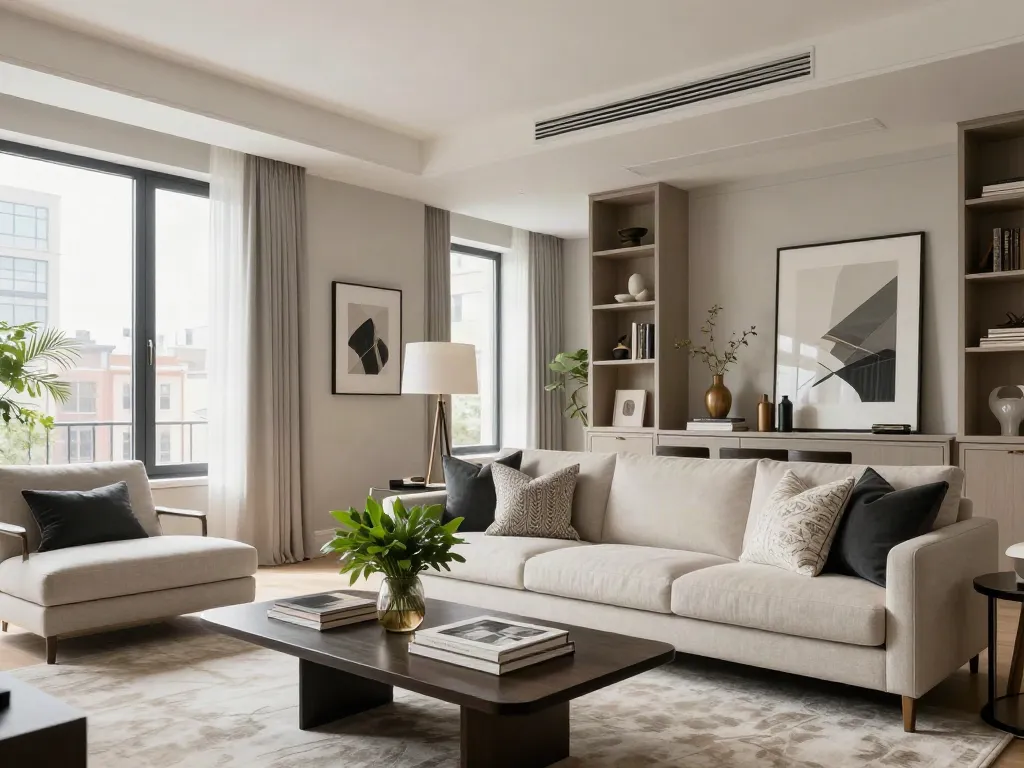
Understanding the Role of a Brooklyn Interior Designer
When contemplating a home renovation or redesign, many homeowners in Brooklyn seek to understand the pivotal role of an interior designer. In the vibrant and diverse landscape of Brooklyn, a skilled interior designer does more than just select color palettes or arrange furniture; they create cohesive spaces that reflect the personality and needs of their clients. From blending styles to maximizing functionality, a brooklyn interior designer plays an integral part in transforming a house into a home.
What Does a Brooklyn Interior Designer Do?
A Brooklyn interior designer specializes in crafting personalized environments tailored to individual lifestyles. Their work encompasses a wide array of tasks, including space planning, selecting furnishings, coordinating colors, and managing lighting to enhance the overall atmosphere of a room. They also keep abreast of local building codes and regulations, ensuring every design complies with necessary standards. By collaborating with architects and contractors, designers integrate aesthetic appeal with structural integrity.
Benefits of Hiring a Professional Designer
Opting for professional design services offers numerous advantages, especially in a dynamic city like Brooklyn:
- Expertise: Designers bring specialized knowledge of trends, materials, and construction practices.
- Time Efficiency: They streamline the design process, saving you valuable time and potential stress.
- Access to Resources: Designers have relationships with suppliers and tradespeople, giving you access to exclusive materials and services.
- Increased Home Value: A well-designed space can significantly enhance the marketability and resale value of your home.
Key Skills to Look for in a Designer
When selecting a Brooklyn interior designer, consider the following attributes:
- Creativity: Innovative designs that think outside the box are essential.
- Communication Skills: A good designer listens to your needs and articulates their vision clearly.
- Technical Proficiency: Understanding CAD software and other design tools is crucial for modern designers.
- Project Management: Strong organizational skills help ensure projects are completed on time and within budget.
Finding the Right Brooklyn Interior Designer for Your Home
Searching for the right designer can feel overwhelming, but taking a systematic approach will help you make an informed decision. Start by leveraging local resources and online platforms to gather a list of potential candidates.
Researching Local Designers
Begin your search by exploring local directories, social media platforms, and design websites. Look for designers who have experience with Brooklyn residences, as they will be familiar with the unique challenges and opportunities presented by the local architecture.
Checking Portfolios and Reviews
Once you have a shortlist, delve into their portfolios to assess their style and versatility. Look for completed projects that resonate with your aesthetic preferences. Client reviews and testimonials can provide valuable insights into a designer's working style and reliability.
Interviewing Potential Candidates
Schedule consultations with your shortlisted designers, as this is an excellent opportunity to gauge their enthusiasm and approach. Prepare questions that address your specific needs, expectations, and concerns. Pay attention to how well they communicate ideas and whether they respect your vision.
Defining Your Style and Requirements
Articulating your design preferences is key to a successful collaboration with your designer. Understanding your style will streamline the design process and ensure that the final outcome truly reflects your personality.
Identifying Your Design Preferences
Spend time exploring different design styles to determine what resonates with you. Whether you lean towards modern minimalism or classic elegance, considering how these styles will work in your space is crucial. Create a mood board or collect images that inspire you to share with your designer.
Understanding Your Space and Its Needs
Evaluate your living space's current layout, functionality, and potential challenges. Discuss any specific requirements you have, such as accommodating children or pets, or incorporating home office areas. This understanding will guide your designer in creating a functional and beautiful design.
Setting a Realistic Budget
Effective budgeting is fundamental in the design process. Work with your designer to establish a budget that includes all aspects of the project, from materials and furnishings to labor costs. Be transparent about your financial limitations to avoid any surprises down the line.
The Design Process Explained
The design journey involves several stages that require close collaboration between you and your designer. Understanding these steps can enhance your experience and ensure a smoother process.
Collaboration and Communication with Your Designer
Establishing an open line of communication from the outset is essential. Regularly check in with your designer throughout the process, providing feedback and addressing any concerns promptly. This collaborative approach ensures that the final design aligns with your vision.
Step-by-Step Implementation of Concepts
Once the design has been finalized, your designer will create detailed plans. These plans may include floor layouts, color schemes, and sourcing of materials. Depending on the complexity of your project, designers may also manage subcontractors and oversee the installation process.
Managing the Project Timeline and Milestones
Every design project has a timeline that outlines key milestones, from the initial consultation to the final reveal. Ensure you understand this timeline and the major phases of the project, which helps in tracking progress and making necessary adjustments along the way.
Trends in Interior Design for 2026
The world of interior design is ever-evolving. Designers must stay informed about emerging trends that can influence the direction of a project.
Emerging Styles and Inspirations
As we move into 2026, expect to see a blend of sustainable practices and luxurious designs. Styles such as biophilic design, which incorporates natural elements into interiors, are rapidly gaining popularity. This trend reflects a growing awareness of the environment and a desire to create calming, restorative spaces.
Using Sustainable Materials and Practices
Sustainable design is not just a trend; it's a necessary shift. Many designers are opting for eco-friendly materials and methods that reduce environmental impact. This includes using reclaimed wood, recycled metals, and sustainably sourced textiles that enhance both aesthetics and sustainability.
Incorporating Technology in Home Design
Technology continues to shape how we think about interior spaces. Smart home devices, energy-efficient appliances, and integrated systems can enhance comfort and convenience. As you design your space, consider how technology will play a role in your daily life.
What can I expect to pay for a Brooklyn interior designer?
The cost of hiring a Brooklyn interior designer varies based on factors such as experience, project scope, and location. On average, you can expect to pay anywhere from $100 to $500 per hour, or a flat fee for larger projects. Always discuss pricing structures upfront to ensure transparency.
How do I find the best Brooklyn interior designer for my needs?
Finding the best designer involves thorough research, checking qualifications, and reviewing past projects. Trust your instincts and choose someone you feel comfortable with and who understands your vision.
What are the current trends in Brooklyn interior design?
Design trends in Brooklyn are heavily influenced by the city’s diverse culture and artistic community. Current trends include incorporating multi-functional furniture, open-concept living spaces, and a focus on natural light and materials.
What is the design process when working with a designer?
The design process typically involves several stages, including initial consultations, concept development, sourcing materials, and overseeing implementation. Regular communication between you and your designer is crucial throughout this process.
How do I effectively communicate my ideas to my designer?
To communicate effectively with your designer, be clear about your preferences, provide inspirational images, and be open to their suggestions. Regular check-ins and feedback will help maintain alignment throughout the project.