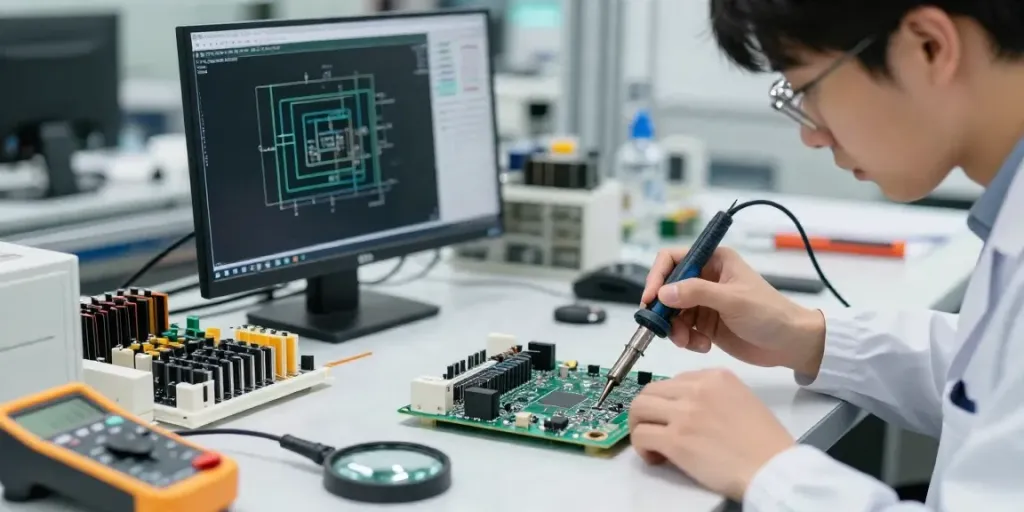
Understanding PCB Assembly Supplier Selection Criteria
When it comes to manufacturing electronic devices, the choice of a PCB assembly supplier is critical. An effective supplier not only influences the quality and reliability of the final product but also impacts overall production efficiency and cost-effectiveness. Selecting the right PCB assembly supplier involves evaluating a range of criteria that ensure alignment with your specific project requirements. Understanding these criteria can help you forge a strong partnership, ultimately leading to more successful product outcomes. When exploring options, PCB assembly supplier offerings can provide comprehensive insights into capabilities and service levels.
Essential Factors to Consider When Choosing a Supplier
Several essential factors should guide your selection process:
- Experience and Expertise: Look for suppliers with a proven track record in PCB assembly. Their experience can offer insights into best practices and technological advancements in the industry.
- Certifications: Quality certifications such as ISO 9001 or IPC-A-610 demonstrate a commitment to quality and industry standards.
- Technology and Equipment: Ensure that the supplier utilizes modern technologies and machinery, which can significantly affect assembly speed and quality.
- Scalability: Consider whether the supplier can scale operations to meet increasing demand or adapt to lower volume requirements without compromising quality.
- Customer Service: Responsive support throughout the assembly process is essential for addressing issues and making necessary adjustments.
Evaluating Supplier Capabilities and Expertise
Assessing a supplier's capabilities involves understanding their production processes, including:
- Manufacturing Processes: Familiarize yourself with the assembly types offered—such as surface mount technology (SMT), through-hole technology, or mixed technology assemblies.
- Design Support: Some suppliers provide design assistance, which can optimize the manufacturing process and reduce potential issues.
- Testing and Quality Assurance: Inquire about the testing methodologies used to ensure product reliability. This includes Automated Optical Inspection (AOI), X-ray inspection, and functional testing.
Understanding Lead Times and Production Capacities
Lead times are critical in PCB assembly, affecting project timelines and market readiness. A supplier's ability to meet deadlines while maintaining production capacity is essential. Confirm the following:
- Typical Lead Times: Understand the standard lead times for different assembly types and volumes.
- Capacity for Rush Orders: Determine the supplier's capability for handling urgent requests without significant price increases.
- Production Flexibility: A flexible supplier is better suited to handle changes in order quantities or specifications.
Best Practices for Effective PCB Assembly Processes
Successfully navigating the PCB assembly process requires adopting best practices that can lead to improved outcomes and efficiency.
Implementing Quality Control Measures in Assembly
Quality control is a crucial aspect of PCB assembly. Implementing robust quality assurance protocols, such as:
- Incoming Material Inspection: Verify all components upon arrival to ensure they meet required specifications.
- In-Process Quality Checks: Establish checkpoints throughout the assembly process to catch defects early.
- Final Testing: Conduct thorough testing before shipment to ensure functionality and compliance with design specifications.
Importance of Component Sourcing and Logistics
Efficient sourcing of components is vital. Consider the following strategies:
- Diverse Sourcing: Avoid single-source suppliers to mitigate risks associated with component shortages.
- Logistics Coordination: Partner with suppliers who have proven logistics capabilities to handle component delivery efficiently.
- Inventory Management: Employ inventory tracking systems to manage components effectively and reduce waste.
Techniques for Streamlining the Assembly Workflow
Streamlining assembly processes can reduce lead times and costs. Techniques include:
- Lean Manufacturing Principles: Implement lean strategies to minimize waste and optimize workflow.
- Automation: Utilize automated equipment for repetitive tasks to improve speed and consistency.
- Cross-Training Employees: Cross-train staff to maintain flexibility and operational efficiency during peak times.
Addressing Common Challenges in PCB Assembly
While PCB assembly is integral to electronics manufacturing, it often presents several challenges that need addressing to ensure a smooth process.
Identifying and Mitigating Production Delays
Production delays can significantly impact project timelines. To mitigate these:
- Regular Communication: Keep open communication with suppliers to promptly address any issues that arise.
- Backup Plans: Develop contingency plans for potential delays, such as alternative suppliers or expedited logistics options.
- Monitoring Progress: Use project management tools to track assembly progress and identify potential bottlenecks.
Overcoming Component Shortages and Supply Chain Issues
Component shortages are a growing concern in the electronics industry. Solutions include:
- Strategic Partnerships: Forge relationships with multiple suppliers to diversify sourcing options.
- Long-Term Contracts: Negotiate long-term contracts for critical components to secure supply and stabilize pricing.
- Inventory Buffers: Maintain inventory buffers for high-demand components to mitigate short-term shortages.
Managing Quality Assurance and Testing Protocols
Establishing rigorous quality assurance protocols can prevent defects and ensure product reliability:
- Standards Compliance: Ensure adherence to industry standards relevant to your specific application.
- Continuous Training: Regularly train employees on quality control measures and best practices.
- Customer Feedback: Utilize customer feedback to refine testing methods and address any issues effectively.
Future Trends in PCB Assembly for 2026 and Beyond
As technology evolves, so too does the landscape of PCB assembly. Staying ahead of trends can provide competitive advantages in the market.
Adopting Automation and AI in PCB Manufacturing
The integration of automation and artificial intelligence (AI) is reshaping PCB manufacturing. These technologies can optimize assembly processes, reduce errors, and significantly speed up production times through:
- Automated Inspection: Implement AI-driven inspection systems to detect defects early in the production cycle.
- Predictive Maintenance: Use AI to predict equipment failures and schedule maintenance before issues arise.
- Smart Factories: Develop interconnected manufacturing processes that allow for real-time data analysis and decision-making.
Exploring Eco-Friendly Materials and Processes
The push towards sustainability is influencing PCB manufacturing. Companies are exploring eco-friendly materials and practices such as:
- Biodegradable Materials: Investigate the use of bioplastics and other sustainable materials in PCB production.
- Energy Efficiency: Implement energy-efficient manufacturing processes to reduce carbon footprints.
- Recycling Initiatives: Develop programs for recycling electronic components and PCBs to minimize waste.
Innovations in PCB Design and Functionality
Design innovations continue to evolve, enhancing PCB functionality and performance. Key areas of advancement include:
- Flexible PCBs: Increasing demand for flexible circuit boards facilitates innovative designs in compact and portable devices.
- High-Density Interconnects (HDI): Utilizing HDI technology can improve circuit density and performance in limited spaces.
- Embedded Components: Embedding passive components within the PCB can reduce assembly complexity and improve reliability.
Measuring Performance and Success in PCB Assembly
To ensure ongoing success, it’s critical to implement methods for measuring supplier performance and overall success in PCB assembly.
Key Performance Indicators for Suppliers
Establish clear key performance indicators (KPIs) that reflect critical aspects of PCB assembly, including:
- Defect Rate: Monitor the percentage of defective units from each batch to assess quality control effectiveness.
- On-Time Delivery Rate: Track the percentage of orders shipped on or before the agreed deadline.
- Production Efficiency: Measure the amount of time and resources required to complete orders.
Feedback Loops and Continuous Improvement Strategies
Implement feedback loops to gather insights from various stakeholders, leading to continuous improvement. This can be achieved through:
- Surveys and Interviews: Regularly conduct surveys with clients and employees to gather insights into processes.
- Regular Reviews: Schedule quarterly or bi-annual reviews of performance metrics to identify areas for improvement.
- Incentives for Improvement: Develop incentive programs that encourage employees to propose improvements and innovations.
Case Studies of Successful PCB Assembly Partnerships
Highlighting case studies of successful partnerships can provide valuable lessons. Focus on:
- Collaboration Examples: Showcase instances where supplier collaboration resulted in successful projects.
- Innovation Results: Present examples of innovations implemented and their impact on product success.
- Efficiency Gains: Discuss how partnerships have led to reduced lead times and cost savings.
What is turnkey PCB assembly?
Turnkey PCB assembly refers to a service model where the supplier handles all aspects of the assembly process—from sourcing components to final testing and delivery. This approach allows companies to focus on design and innovation while leveraging supplier expertise in manufacturing and logistics.
How do I evaluate potential PCB assembly suppliers?
To evaluate potential suppliers, consider their experience, certifications, technology capabilities, lead times, and customer service. Request quotes and proposals to compare pricing, services, and production capabilities.
What are the benefits of domestic vs. overseas PCB suppliers?
Domestic suppliers often provide faster turnaround times and better communication, while overseas suppliers may offer cost advantages. The choice depends on specific project needs, including budget, quality, and speed.
How can I ensure quality in PCB assembly processes?
Quality assurance can be achieved through rigorous testing, certifications, and adherence to industry standards. Establishing strong communication and feedback loops with suppliers is also critical.
What are the latest trends in PCB technology?
Key trends include the rise of automation and AI, the use of eco-friendly materials, and advancements in PCB design such as flexible and embedded components, which enhance functionality and design flexibility.