
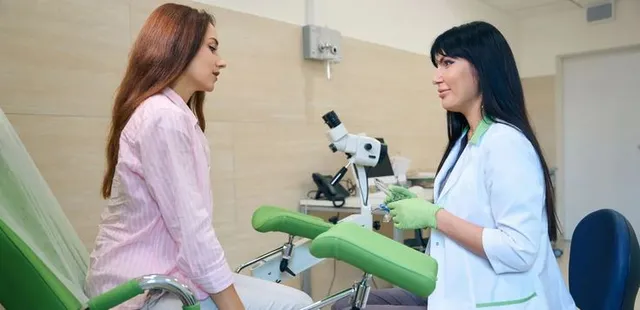
Women’s reproductive health involves much more than managing occasional menstrual changes. Conditions such as Polycystic Ovary Syndrome can influence periods, hormones, ovulation, fertility, skin, weight and overall well-being. Seeking guidance from a famous gynecologist in Tirupati can help women understand symptoms, identify possible underlying concerns and receive an appropriate care plan. Gynecologists play an important role in evaluating reproductive health through different stages, from adolescence and menstrual health to fertility, pregnancy and menopause.
Understanding PCOS and Its Impact on Women
Polycystic Ovary Syndrome, commonly called PCOS, is a hormonal condition that can affect women during their reproductive years. It may be associated with irregular menstrual cycles, problems with ovulation, acne, unwanted hair growth, weight changes and difficulties with conception.
PCOS does not affect every woman in the same way. Some may primarily experience irregular periods, while others may seek medical attention because of fertility concerns or visible hormonal symptoms. A gynecologist evaluates the individual's symptoms and medical history rather than relying on one symptom alone.
The condition may also involve hormonal and metabolic factors. Therefore, effective management focuses on understanding the broader health picture rather than addressing only menstrual irregularity.
How Gynecologists Identify PCOS
A gynecological consultation generally begins with a discussion about menstrual patterns, symptoms, medical history, reproductive goals and other relevant concerns. Women may be asked about cycle irregularities, changes in weight, acne, excess hair growth, fertility concerns and other symptoms.
Depending on the individual situation, doctors may recommend blood or hormonal investigations and pelvic imaging. The website's PCOD care information lists investigations such as blood sugar, fasting insulin, testosterone, prolactin, TSH, FSH, LH, lipid profile and pelvic ultrasonography as part of its comprehensive assessment approach.
Managing Irregular Menstrual Cycles
Irregular periods are one of the common concerns associated with PCOS. Instead of treating every irregular cycle in the same way, gynecologists consider factors such as age, symptoms, reproductive plans and overall health.
Treatment may focus on regulating menstrual cycles, managing hormonal symptoms and protecting long-term reproductive health. Regular follow-ups can also help doctors monitor changes and adjust management when necessary.
Women should not ignore persistent changes in their menstrual pattern. A timely consultation can help identify potential causes and determine whether further evaluation is required.
Supporting Hormonal Health
Hormonal changes can contribute to several PCOS-related symptoms. A gynecologist may assess symptoms alongside relevant investigations to develop an individualised management approach.
Lifestyle and nutrition can form an important part of PCOS care. Maintaining physical activity, following balanced nutritional habits and managing weight where appropriate may support overall health. The exact approach should be based on individual needs rather than following a one-size-fits-all diet or exercise plan.
The goal is not simply to address visible symptoms. Comprehensive care considers menstrual health, metabolic factors, reproductive goals and quality of life.
PCOS and Fertility
PCOS can affect ovulation, which may make conception more difficult for some women. However, experiencing PCOS does not automatically mean that a woman cannot become pregnant.
When fertility is a concern, gynecologists can evaluate menstrual patterns and ovulation and discuss suitable treatment options. Depending on individual circumstances, reproductive care may include preconception counselling, lifestyle and nutrition support or fertility treatment.
A Tirupati gynecologist hospital may provide coordinated women's healthcare that includes PCOS management, infertility services, preconception counselling and maternity support, allowing women to seek guidance as their reproductive needs change.
Managing PCOS Before Pregnancy
For women planning pregnancy, managing reproductive health before conception can be valuable. Preconception counselling gives women an opportunity to discuss existing conditions, medications, lifestyle factors and fertility concerns with a healthcare professional.
Gynecologists can help women understand their reproductive health and identify areas that may require attention before attempting conception. This approach can also provide an opportunity to discuss fertility goals and pregnancy planning.
Women's healthcare services can extend from preconception counselling and fertility support to prenatal care and pregnancy management, creating continuity as reproductive needs develop.
Gynecological Care Beyond PCOS
Female reproductive health includes many conditions beyond PCOS. Gynecologists also address menstrual disorders, pelvic floor concerns, urogynecological conditions, menopause, fertility issues and other reproductive health needs.
Regular gynecological consultations can help women discuss symptoms that they may otherwise overlook. Concerns such as persistent menstrual changes, pelvic discomfort, abnormal bleeding or fertility difficulties may require professional evaluation.
Gynecology also changes across different stages of life. Adolescent gynecology addresses the needs of younger women, while menopause and perimenopause management supports women experiencing later reproductive changes. Comprehensive women's healthcare therefore involves ongoing attention rather than care only when a problem becomes severe.
Connecting Reproductive and Family Healthcare
Women's healthcare is often closely connected with family healthcare. During reproductive years, women may require support for fertility, pregnancy, childbirth and postnatal care, while families may simultaneously need specialised pediatric services.
Healthcare centres that bring women's and children's specialties together can provide access to different areas of care within the same broader healthcare network. Pediatric services may include general pediatrics, pediatric emergency care, pediatric subspecialties and intensive care such as NICU and PICU services.
For families in Hyderabad, access to a child specialist in Hyderabad can be particularly relevant when children require age-specific medical evaluation or specialised pediatric support.
Conclusion
Managing PCOS and female reproductive health requires an individualised approach that considers hormones, menstrual health, fertility, lifestyle and long-term well-being. A famous gynecologist in Tirupati can help women understand their symptoms, undergo appropriate evaluation and explore suitable management options. From PCOS and menstrual disorders to fertility, preconception care and menopause, consistent gynecological support can help women make informed decisions about their reproductive health.
For comprehensive care, expert guidance and specialised support across every important stage, Ankura Hospitals provides specialised women and child healthcare with gynecology, PCOS management, maternity, fertility, minimally invasive gynecological surgery, fetal medicine, pediatric care, NICU and PICU support. Its multidisciplinary approach brings consultations, diagnostics and specialised treatment together, helping women receive coordinated care across reproductive, pregnancy and postnatal stages, while children can also access intensive care services with appropriate support when needed.