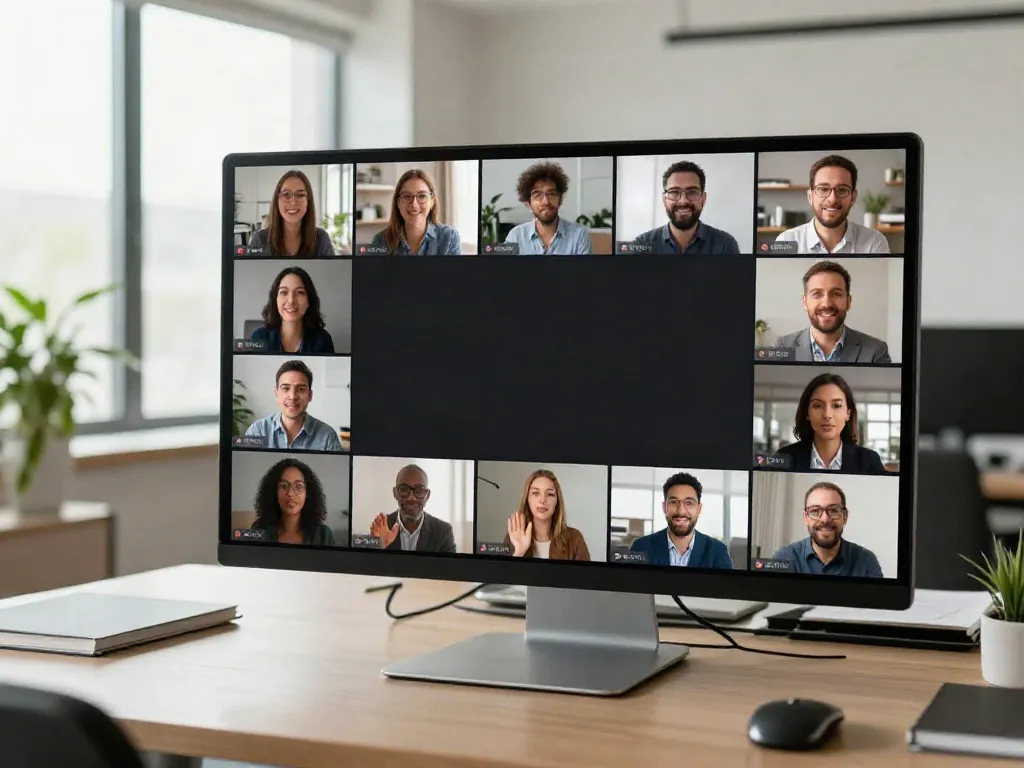
The Importance of Deepfake Free Meetings in Today’s Digital Landscape
As the digital landscape evolves, so too do the technologies that underpin our virtual interactions. Among these, deepfake technology has emerged as both a fascinating innovation and a significant risk. The ability to create hyper-realistic video and audio that can mimic real people poses challenges to trust and authenticity in online communications. In a world increasingly reliant on platforms like Zoom, Google Meet, and Microsoft Teams, ensuring Deepfake free meetings is not just a precaution; it's a necessity for businesses, educators, and individuals alike.
Understanding Deepfake Technology and Its Implications
Deepfake technology utilizes advanced artificial intelligence to create realistic alterations of video and audio content. These alterations can be used to impersonate individuals, creating potentially harmful scenarios where misinformation can spread unchecked. As organizations rely on virtual meetings for collaboration and decision-making, the threat of deepfakes can undermine the integrity of those interactions.
The Impact of Deepfakes on Virtual Communication
Deepfakes can significantly impact virtual communication in several ways:
- Trust Erosion: The ability to fabricate realistic video content can lead to skepticism about the authenticity of all video communications.
- Security Risks: Malicious actors can use deepfakes to impersonate executives or key stakeholders, posing risks to corporate security.
- Reputation Damage: Companies may face public relations challenges if deepfake technology is used to generate misleading content that appears to be legitimate.
User Concerns: Trust and Authenticity in Online Interactions
As deepfake technology becomes more accessible, users express increasing concerns about trust and authenticity. The ability for anyone to create a convincing fake representation of another individual complicates the already challenging landscape of online communication. Users must grapple with the reality that they may no longer be able to fully trust what they see and hear during virtual meetings.
Best Practices for Ensuring Deepfake Free Meetings
To combat the risks posed by deepfake technology, organizations can implement several best practices.
Implementing Real-Time Detection Tools
Utilizing real-time deepfake detection tools can help identify manipulated content before it impacts discussions. These solutions employ artificial intelligence to analyze and assess the authenticity of video and audio feeds during meetings. By integrating such tools, organizations can create a safer virtual environment that minimizes the risk of deepfake-related incidents.
Establishing Clear Communication Protocols
Establishing clear communication protocols can bolster trust within teams. Regularly reminding employees to verify identities through alternative means, such as video calls or direct communication, can help to mitigate potential security breaches. Open communication about potential risks ensures everyone remains vigilant about authenticity.
Training Employees on Deepfake Awareness
Education is crucial. Training employees to recognize the signs of deepfake content and understand the implications of these technologies can create a culture of awareness. Workshops, seminars, and resources can equip staff with the tools necessary to spot suspicious content and report it promptly. A knowledgeable workforce is one of the best defenses against the risks associated with deepfakes.
Evaluating Deepfake Detection Solutions: A Comparative Analysis
When considering deepfake detection solutions, organizations must evaluate several factors to ensure they choose the best technology for their needs.
Top Tools for Deepfake Free Meetings
There is a growing market for deepfake detection tools designed specifically for meetings. Some of the leading solutions include:
- Resemble AI: This tool integrates seamlessly with platforms like Zoom and Teams to detect voice clones and face swaps in real-time.
- Truly: Offering advanced AI technology, Truly analyzes calling participants to ensure authenticity during video calls.
- Facia: Known for its robust detection mechanisms, Facia focuses on maintaining secure communications within corporate environments.
Cost-Effectiveness and Efficiency of Various Solutions
Cost is often a concern for organizations looking to implement new technologies. Comparative analysis of various solutions reveals different pricing structures and functionalities. While some tools may come at a premium, their effectiveness in preventing deepfake incidents can justify the investment. It's essential to assess the long-term benefits against initial costs.
User Experience: Choosing the Right Technology
User experience plays a crucial role in the adoption of deepfake detection solutions. Technologies that are easy to install, require minimal training, and provide real-time feedback are more likely to see higher user engagement. Organizations should prioritize solutions that enhance user confidence while ensuring comprehensive security measures.
Real-World Applications: Success Stories of Deepfake Free Meetings
Several organizations have successfully integrated solutions to ensure deepfake-free meetings, demonstrating the viability and necessity of these technologies.
Case Study: Enhancing Trust in Corporate Communications
A financial institution recently implemented real-time deepfake detection technology during its quarterly meetings. By reassuring attendees of the authenticity of their interactions, the organization not only enhanced trust but also increased engagement levels by over 30% compared to previous meetings.
Nonprofits Using Deepfake Detection for Virtual Fundraising
Nonprofit organizations have also adopted deepfake detection solutions to protect their fundraising efforts. Ensuring that donors can trust communications has led to increased contributions and support. By emphasizing transparency and security, these organizations can foster a trustworthy environment for potential donors.
How Agencies Prevent Deepfakes in Client Interactions
Marketing agencies have recognized the importance of securing their communications with clients. By utilizing deepfake detection tools, they can prevent potential impersonations during client meetings, thereby safeguarding sensitive information and maintaining professional integrity.
Future Trends in Deepfake Technology and Meeting Security
The landscape surrounding deepfake technology is rapidly changing. Organizations must keep pace with emerging trends to ensure they are effectively managing the risks associated with these developments.
Emerging Technologies Shaping Virtual Meetings
As artificial intelligence and machine learning technologies advance, the capabilities of deepfake detection tools will also improve. Innovations in biometric verification, such as facial recognition, may provide additional layers of security during virtual meetings.
Predictions for the Use of Deepfake in Business
As businesses evolve, so too will the use of deepfake technology. While its potential for misuse is clear, legitimate applications, including training simulations and virtual presentations, are also anticipated to grow. Organizations must strike a balance between leveraging these innovations and safeguarding against their misapplication.
Strategies for Continued Adaptation in 2026 and Beyond
To remain ahead of the curve, organizations should adopt a proactive approach to technology integration. Implementing regular audits of virtual communication practices and staying informed about emerging threats will ensure continued adaptation in an ever-evolving landscape.
What Are the Implications for Privacy and Security?
The rise of deepfake technology raises significant questions about privacy and security. Organizations must create policies that protect individual data while addressing the potential misuse of deepfake technology in corporate environments. Establishing clear guidelines will be essential to maintaining trust.
How Will Remote Work Influence Deepfake Technology?
With remote work becoming a permanent fixture in many industries, the potential for deepfake technology to disrupt virtual meetings will likely increase. Organizations must be vigilant and take proactive measures to ensure that their virtual interactions remain secure and authentic.